Ermi Testing in Dallas, TX
ERMI testing services provide homeowners with a way to assess the presence of mold and other airborne allergens within their properties. This testing involves collecting samples from indoor surfaces or air to measure the levels of specific mold species, helping property owners understand indoor air quality and identify potential health concerns. These services are often requested during situations such as suspected mold growth after water damage, renovations, or persistent allergy symptoms, offering valuable insights before undertaking remediation or cleaning efforts.
Property owners typically seek ERMI testing to gain clarity about mold exposure risks and to determine if indoor air quality may be impacting health or comfort. Before requesting testing, it is useful to consider any recent water leaks, visible mold growth, or ongoing allergy symptoms among residents. Understanding the scope of the property and specific concerns can help in planning the testing process and interpreting the results effectively.
Many property owners in Dallas, TX look into ERMI Testing for repairs, replacements, upgrades, and appearance-related improvements.
Understanding Ermi Testing
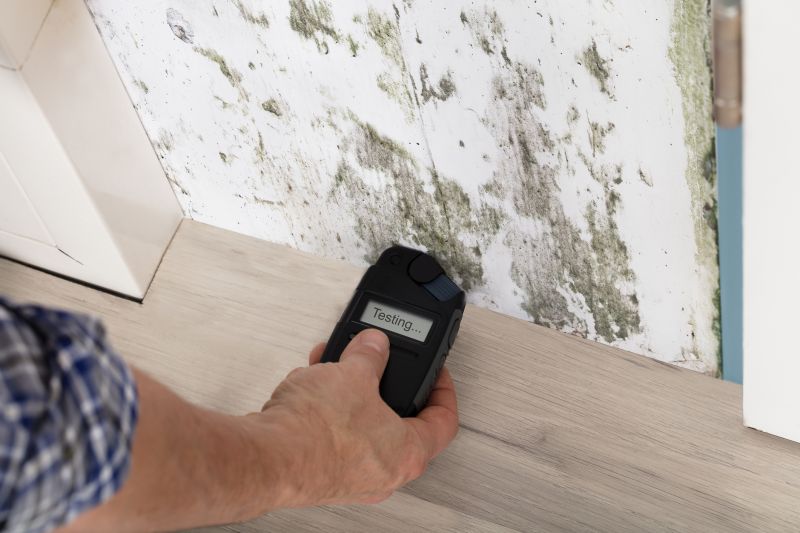
Ermi testing helps identify mold issues inside homes and buildings in dallas and nearby areas.
Why Ermi Matters For Property Owners
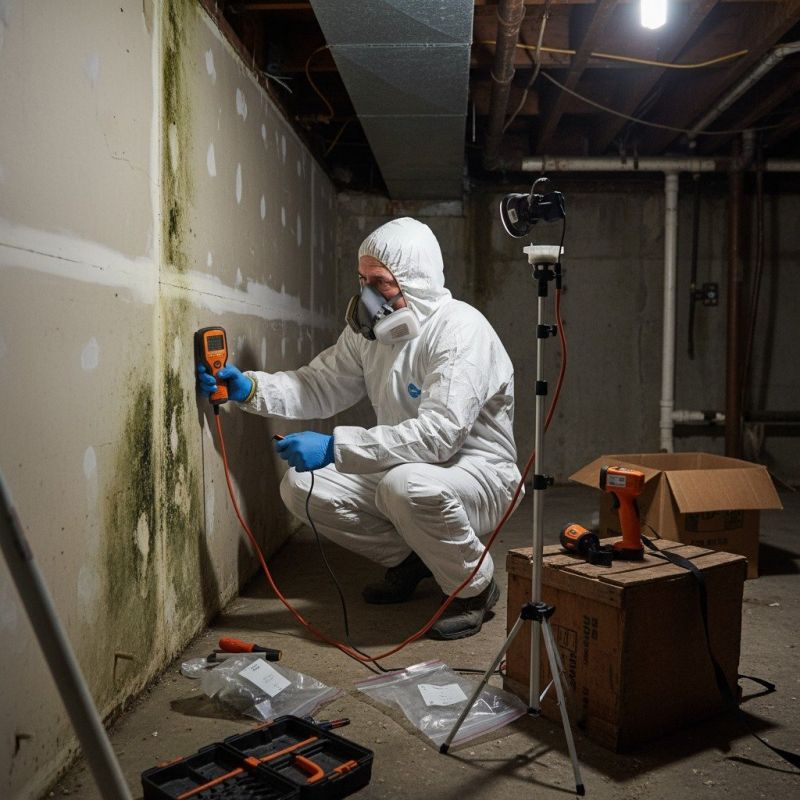
Knowing ermi levels can assist in maintaining healthy indoor environments and addressing potential mold problems.
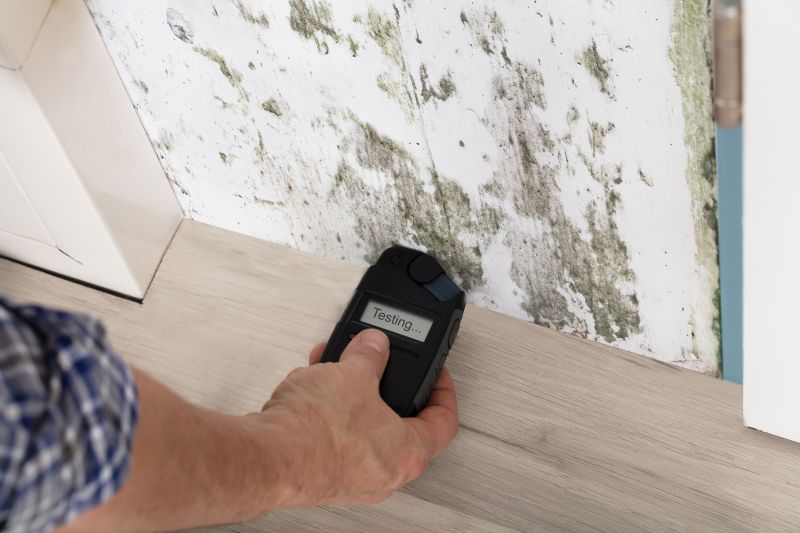
Common Uses Of Ermi Testing
Ermi testing is often used during property inspections, post-remediation assessments, and for ongoing health concerns in dallas homes.
Ermi Testing in Dallas, TX

ERMI testing services provide homeowners with a way to assess the presence of mold and other airborne allergens within their properties. This testing involves collecting samples from indoor surfaces or air to measure the levels of specific mold species, helping property owners understand indoor air quality and identify potential health concerns. These services are often requested during situations such as suspected mold growth after water damage, renovations, or persistent allergy symptoms, offering valuable insights before undertaking remediation or cleaning efforts.
Property owners typically seek ERMI testing to gain clarity about mold exposure risks and to determine if indoor air quality may be impacting health or comfort. Before requesting testing, it is useful to consider any recent water leaks, visible mold growth, or ongoing allergy symptoms among residents. Understanding the scope of the property and specific concerns can help in planning the testing process and interpreting the results effectively.
Many property owners in Dallas, TX look into ERMI Testing for repairs, replacements, upgrades, and appearance-related improvements.
Common Ermi Testing Jobs
ERMI Testing - Identifies levels of mold and allergens in indoor environments.
Home inspections - Assesses potential mold issues in residential properties.
Air quality assessments - Measures mold spores and mold-related contaminants indoors.
Post-remediation testing - Verifies the effectiveness of mold removal efforts.
New construction evaluations - Checks for mold presence during or after building projects.
Moisture intrusion detection - Detects sources of excess moisture that can lead to mold growth.
Ermi Testing Questions
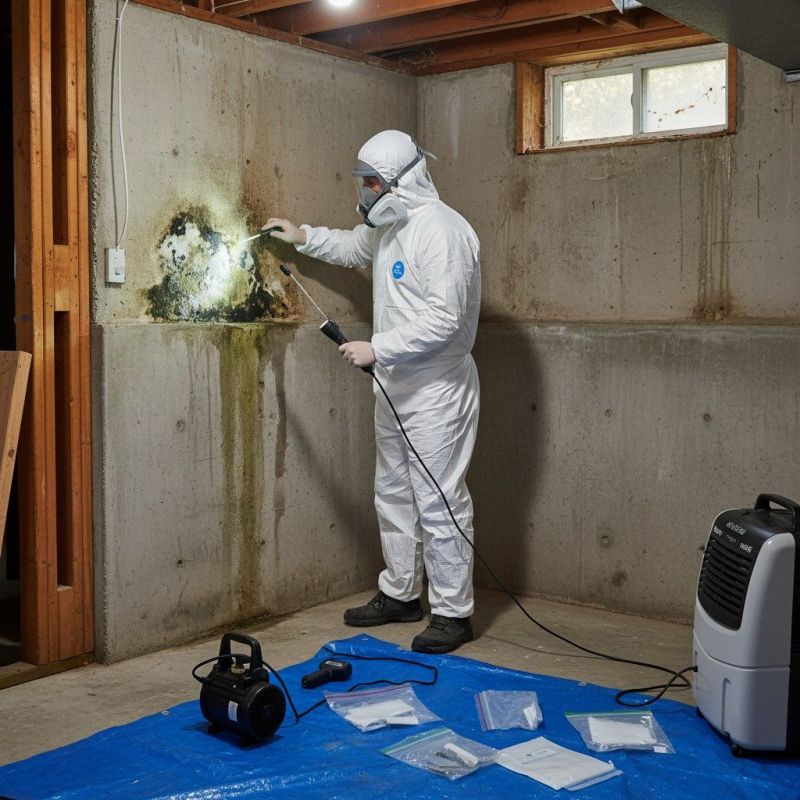
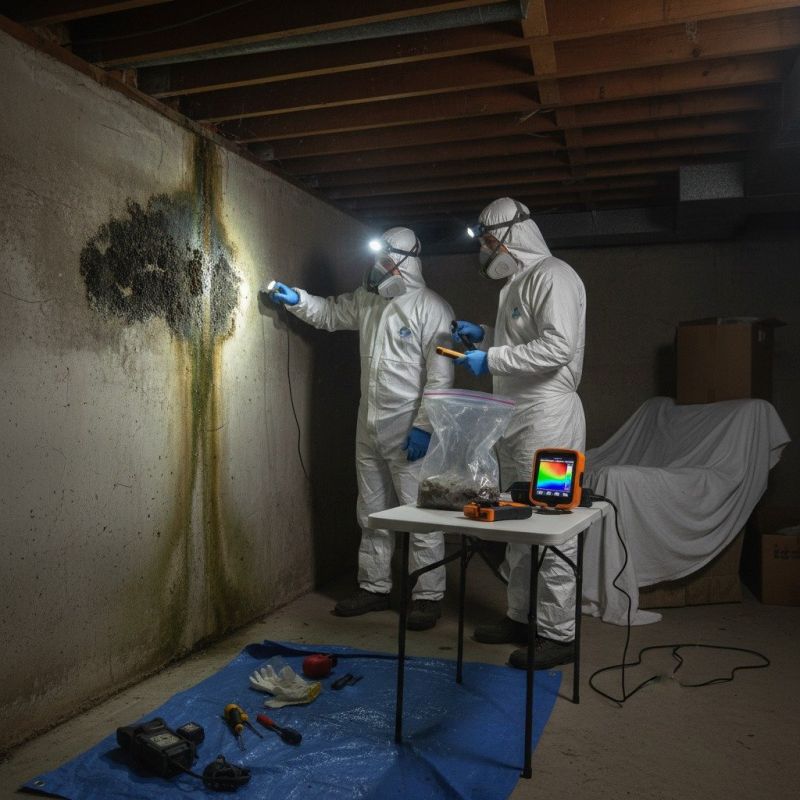
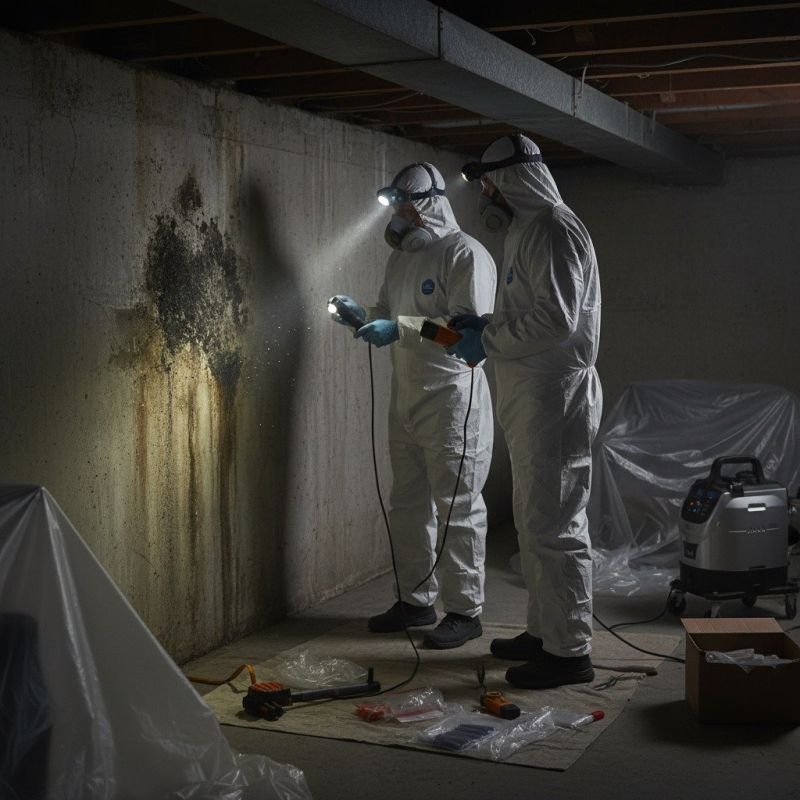
What is ERMI testing used for? ERMI testing identifies the presence of mold species in indoor environments, helping property owners assess potential mold issues.
How does ERMI testing work? The process involves collecting dust samples from the property, which are then analyzed in a laboratory to determine mold levels.
When should property owners consider ERMI testing? ERMI testing is recommended when there are signs of mold, unexplained allergies, or persistent indoor odors.
What types of properties benefit from ERMI testing? Residential homes, rental properties, and commercial buildings can all benefit from ERMI testing to evaluate indoor air quality.
Request Ermi Testing in Dallas, TX
Use the quote form on this page to share the basics of your project and request more information for the type of work you need.